


Why Maj. Gen. Tony Jackson Chooses QCDs to Support Students
By P. Vien Walker
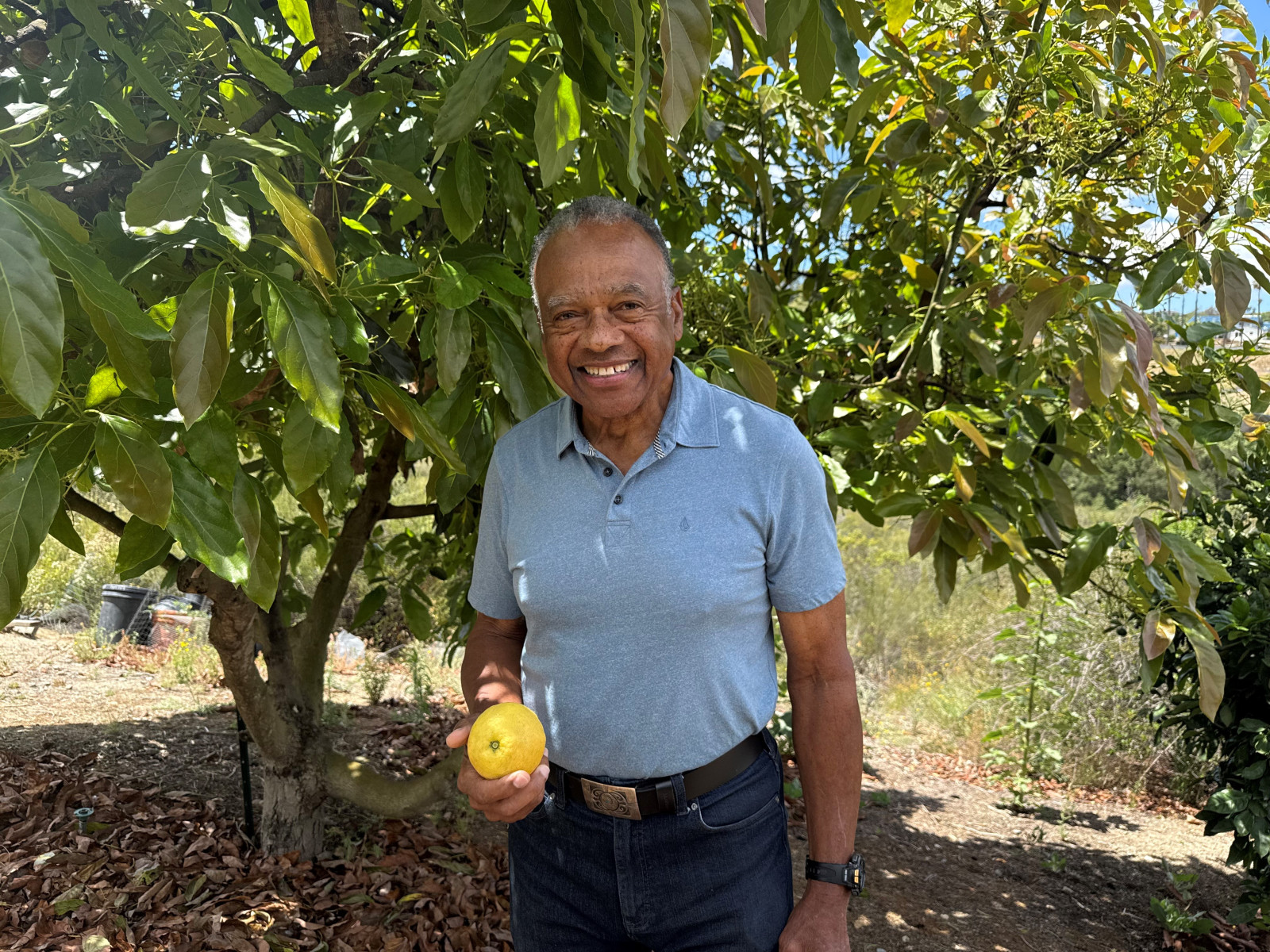
With five young grandchildren and five acres to tend, retirement for Major General Anthony “Tony” Jackson and his wife, Sue, has been a full-time endeavor.
“You need to find something to stay active,” Tony said.
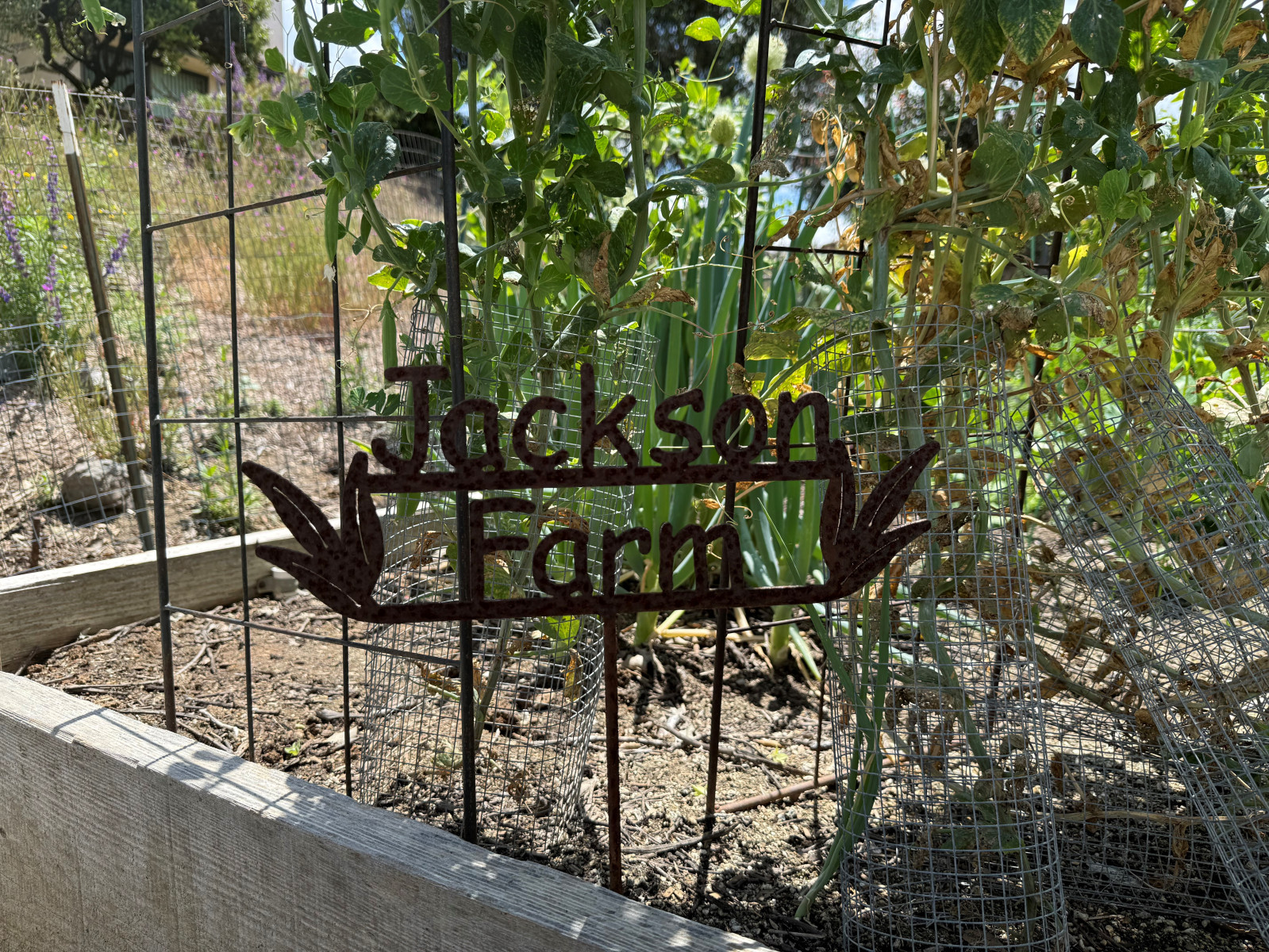
He picked up gardening, building raised beds as his first woodworking project since his youth.
“They were a little rough,” he said with a laugh, but now they harvest baskets of potatoes, carrots, onions, snap peas and more.
Even seeds that accidentally fell to the ground took root, turning into tomato vines. The Jacksons’ Fallbrook home also has avocado, citrus and pomegranate trees, along with native plants that Sue carefully manages.
It’s a fitting next chapter for a couple who always has put in the work.
Retirement also gave the Jacksons more time for philanthropy.
Tony first visited Cal State San Marcos in 2011, and one thing stood out to him immediately: a dedicated office for student veterans.
“That was impressive,” he said, “to see resources for a group with unique experiences.”
This would motivate him to serve on the CSUSM Foundation Board for 13 years.
Today, he and Sue continue to support student veterans through the Major General Anthony L. Jackson Veterans Endowed Scholarship. They also support ACE Scholars Services and men’s and women’s basketball.
Using QCDs Instead of Cash to Support Students
The Jacksons’ approach to giving recently evolved.
Tony had heard of qualified charitable distributions (QCDs) from individual retirement accounts (IRAs), but he didn’t take advantage of the strategy until last year.
“We love what CSUSM is doing and knew we were going to give,” he said. “QCDs were just the wisest way to do it.”
A QCD allows individuals age 70½ or older to make a distribution from their IRA directly to a nonprofit like the CSUSM Foundation. The distribution counts toward any required minimum distribution (RMD) but doesn’t count as income, thus avoiding income tax. That can help lower overall tax liability, reduce Medicare premiums and avoid certain income-based phaseouts. Individuals can give up to $111,000 per year this way, even if their RMD is lower.
Still, for the Jacksons, the strategy is secondary.
“I remember what it was like to be a struggling student,” Tony said.
As a former student-athlete on scholarship at San Jose State, he knows personally what a difference philanthropy can make.
“Sue and I have more than we need,” he said. “How can we share that and help the generations behind us? It’s the right thing to do.”
For the Jacksons, giving to CSUSM is about more than tax efficiency. It’s about investing in students, strengthening the community they’ve long called home and continuing a lifetime of service.
Interested in QCDs?
For information on QCDs and other tax-smart ways to give, contact P. Vien Walker, director of planned giving, at 760-750-8138 or vwalker@csusm.edu, or visit plannedgiving.csusm.edu.
Every contribution to CSUSM brings the university closer to its Blueprint for the Future campaign goal to raise $200 million in philanthropy and research funding.
Media Contact
Brian Hiro, Communications Specialist
bhiro@csusm.edu | Office: 760-750-7306