


Music Professor Writes Book About Unlikely Spy Mission in USSR
By Brian Hiro
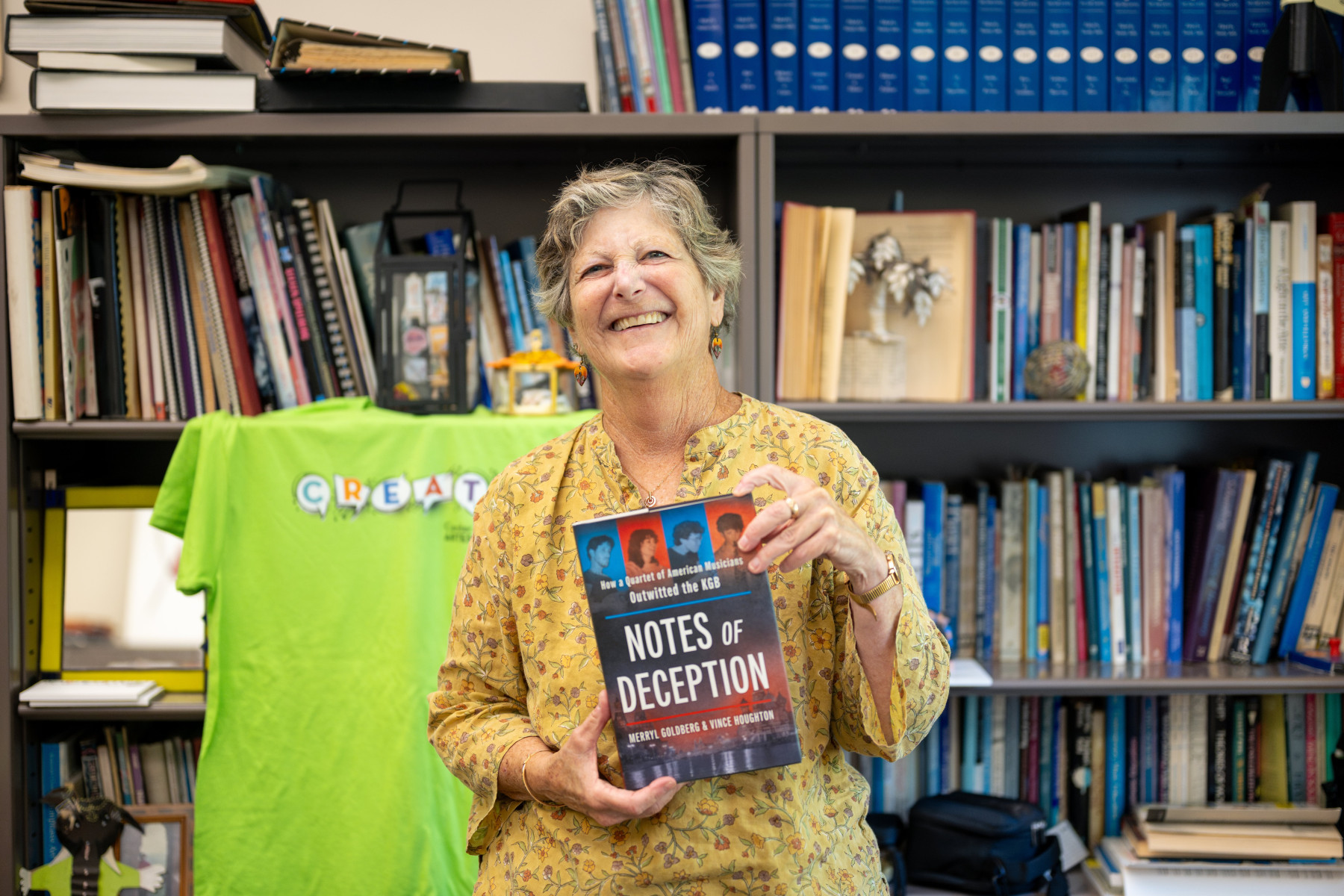
Merryl Goldberg was at a birthday party in La Jolla several years ago when she struck up a conversation with a married couple whom she didn’t know.
As often happens, the talk turned to careers. Goldberg told the couple (their names turned out to be Chuck and Kim) that she was a longtime music professor at Cal State San Marcos. The couple told Goldberg that they both worked in the cybersecurity field.
When Goldberg’s face betrayed that she knew nothing about cybersecurity, Chuck and Kim launched into a brief introduction. As Goldberg listened to them, it occurred to her that she might have a personal story that at least touched on cybersecurity. She recounted it to them, and after she was done, Chuck and Kim had to pick their jaws up off the floor.
“They were like, ‘Oh my God, you are going to become famous,’ ” Goldberg recalled.
Within weeks, Goldberg had been introduced to the organizers of the biggest cybersecurity event in the nation, the RSA Conference in San Francisco, and she was invited not just to appear, but to be a keynote speaker. Soon after that, Jen Easterly, then the director of the U.S. Cybersecurity and Infrastructure Security Agency (commonly known as CISA), approached Goldberg and asked her to join an upcoming lecture circuit.
Goldberg’s life hasn’t been the same since that chance encounter in La Jolla. Now, she’s in the process of achieving an even greater level of exposure.
She turned her amazing tale into her first book (non-textbook category), “Notes of Deception: How a Quartet of American Musicians Outwitted the KGB,” released Aug. 25 by HarperCollins, one of the largest book publishers in the world. The book – co-written with Vince Houghton, director of the National Security Agency’s National Cryptologic Museum – chronicles an almost-too-bizarre-to-be-believed episode from the mid-1980s, years before Goldberg joined the faculty at CSUSM.
“I had been sitting on the story for decades,” she said. “I didn’t realize the extent to which people would be really interested.”
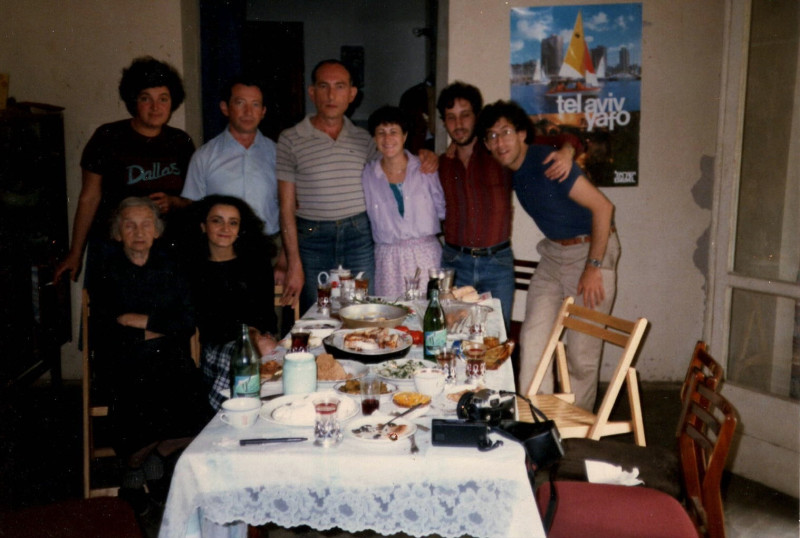
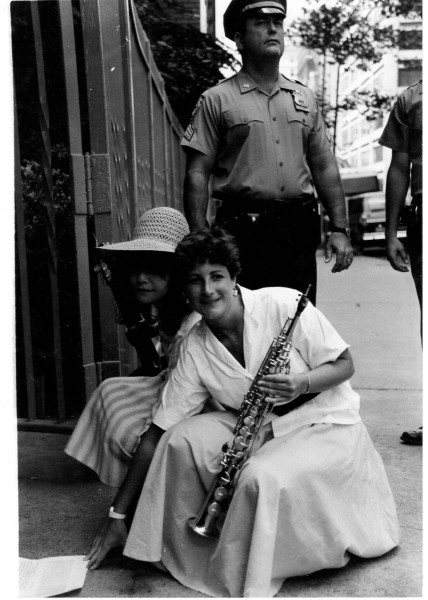
More than four decades ago, Goldberg was a saxophonist for the Klezmer Conservatory Band (KCB), a Boston-based group that played mostly Yiddish music. This was during the height of the Cold War, when the United States and the Soviet Union were locked in a battle of nuclear brinkmanship.
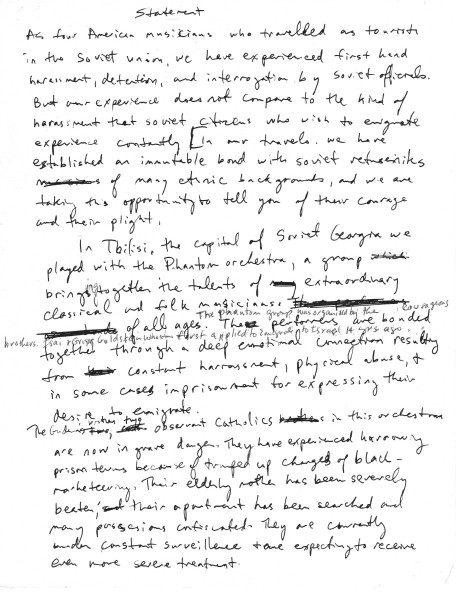
Through a newspaper article, the KCB became aware of a musical group in the Soviet republic of Georgia called the Phantom Orchestra, composed mainly of so-called refuseniks (the term for Jewish people who were denied permission to emigrate by the Soviet government) but also Catholic and human-rights activists and artists. The Phantom Orchestra was using music to circulate their story to the Western world, and the KGB (Soviet state police) increasingly viewed the musicians as a threat.
Urged on by locals in their Boston suburb, Goldberg and three of her bandmates decided to travel to the USSR to meet with the orchestra in a show of solidarity. But there was one big catch.
“The caveat was that this had to be undercover, a secret mission,” Goldberg said. “We couldn't tell anybody about it, except for our parents and if we had a boyfriend or girlfriend. Not only that, but in order to take information in and out, we had to have a secret code because we couldn't walk in with people's names and addresses. They would get in trouble.”
Goldberg had the perfect secret code in mind. As musicians, of course, the KCB would be bringing sheet music to Georgia. What if they were to use that as a cipher – effectively obscure their hidden messages in plain sight?
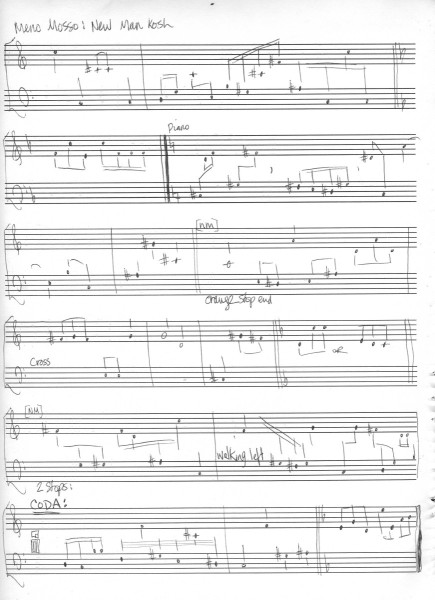
“So it looks just like piano music, but actually it’s directions on how to get to someone’s apartment because their phones were disconnected,” she said.
Goldberg and her bandmates felt thrilled by their proposed deception, by the notion that they would be acting like real-life spies. After the first in-depth interrogation by the KGB, however, their headiness turned to fear. Yet they made it into the Soviet Union with their code undetected, and once they met the members of the Phantom Orchestra, they grew more emboldened.
“We gained so much confidence from them,” Goldberg said. “We became less afraid of the KGB and more defiant, and that helped our ability to manage a difficult situation and what potentially was a very dangerous situation.”
After spending eight days behind the Iron Curtain, Goldberg and Co. tricked the KGB on their way out as well. Then they went to work, lobbying members of Congress and playing concerts to raise awareness of the refuseniks’ plight. Their advocacy ultimately factored into the negotiations between President Ronald Reagan and Soviet leader Mikhail Gorbachev on easing Cold War tensions, and the USSR finally dissolved in 1991.
“Once people started being able to emigrate, of course, our story faded into the woodwork of history,” Goldberg said.
“Notes of Deception” is her latest, boldest attempt to change that. A self-described “pack rat,” she saved all the archival information – reports, news clippings, photos – from the spy mission, suspecting that it could prove useful someday. But none of it emerged until 2022, when the accidental meeting with Chuck and Kim yielded the cybersecurity conference speaking gig, which in turn yielded an exclusive feature about the saga in Wired magazine that attracted widespread attention.
Goldberg decided that she wanted to tell her story in her own words. She had written much of a manuscript – using a sabbatical to piece it together – but was struggling to find a literary agent.
Enter Houghton, the NSA official who had heard about Goldberg’s speeches and read the Wired article. As a historian of cryptology, he was dumbfounded that the tale of Goldberg’s band was unknown to him. He contacted Goldberg, and they hit it off. After Goldberg described her book project, Houghton told her she might have a better chance of getting it published if she recruited a co-author who could sprinkle in more historical context.
“I was like, ‘Hey, Vince, how about you? Do you want to take this on with me?’ ” Goldberg said.
Houghton agreed, and with him on board as an experienced writer (one of his colorful titles is “Nuking the Moon: And Other Intelligence Schemes and Military Plots Left on the Drawing Board”) a bidding war ensued to publish the book.
Now it’s here, and the reception has been enthusiastic. People magazine published an extended excerpt last month, and the Wall Street Journal reviewed the book (among many other outlets). Goldberg already has been interviewed by multiple podcasts and TV stations, and she spoke on a panel at the recent KPBS book festival in San Diego. She also has embarked on a national book tour that will extend through May (she’s able to do it because she has entered the Faculty Early Retirement Program, having taught her final class last spring).
Asked what she hopes readers take away from the book, Goldberg said: “What we did was a little over the top in terms of making a difference in people's lives, but advocacy absolutely makes a difference. Every single day there's something that you can do to change someone's life in a little way. Also, music is a very powerful language in terms of communicating, but also self-empowerment. It's really important for people to have music or the arts or even sports, to have something that they can hold on to that takes them out of their brains to reconnect, recharge and be mindful.”

Media Contact
Brian Hiro, Communications Specialist
bhiro@csusm.edu | Office: 760-750-7306